
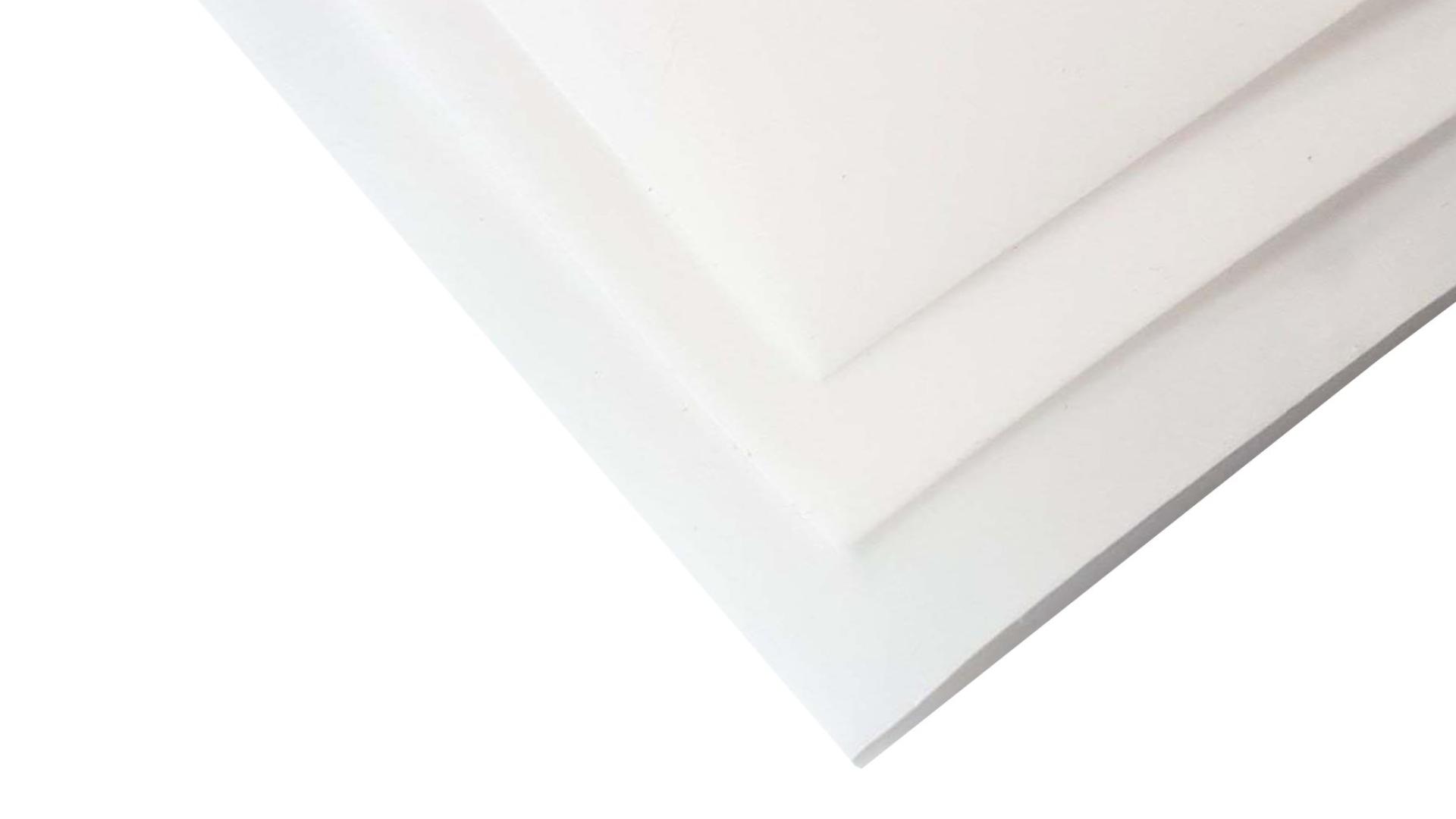
What is PTFE?
Polytetrafluoroethylene (PTFE), commonly known by the brand name Teflon, is a synthetic fluoropolymer composed of carbon and fluorine atoms. This material is distinguished by a range of exceptional properties, making it suitable for numerous industrial applications. Its most notable feature is its high chemical resistance, rendering it immune to most acids, bases, and solvents. Additionally, PTFE exhibits remarkable thermal stability, capable of functioning effectively within a temperature range of -200°C to +260°C without losing its properties.
Key Properties
Chemical Resistance and Industrial Applications

One of the most important qualities of PTFE is its ability to resist chemical corrosion. Thanks to this property, it is widely used in the chemical industry for seals, coatings, and components that must withstand aggressive substances.
Low Friction Coefficient and Non-Stick Properties

Another fundamental quality of PTFE is its low coefficient of friction, making it an ideal material for moving components like bearings, seals, and valves. This property is also used in non-stick surfaces, which is why PTFE is well-known in the cookware coatings industry. Its extremely smooth surface reduces friction and prevents material buildup, providing advantages in industrial applications requiring low friction.
industrial applications
Competitive Advantages of PTFE in Advanced Applications
Thanks to its unique combination of chemical, thermal, and mechanical resistance, PTFE is a key material in sectors ranging from aerospace to electronics and automotive. Its ability to remain stable in extreme conditions makes it a preferred choice for the aerospace and transportation industries. Finally, its long life and reliability in critical applications provide a competitive advantage for those seeking high-quality, customized solutions.
