
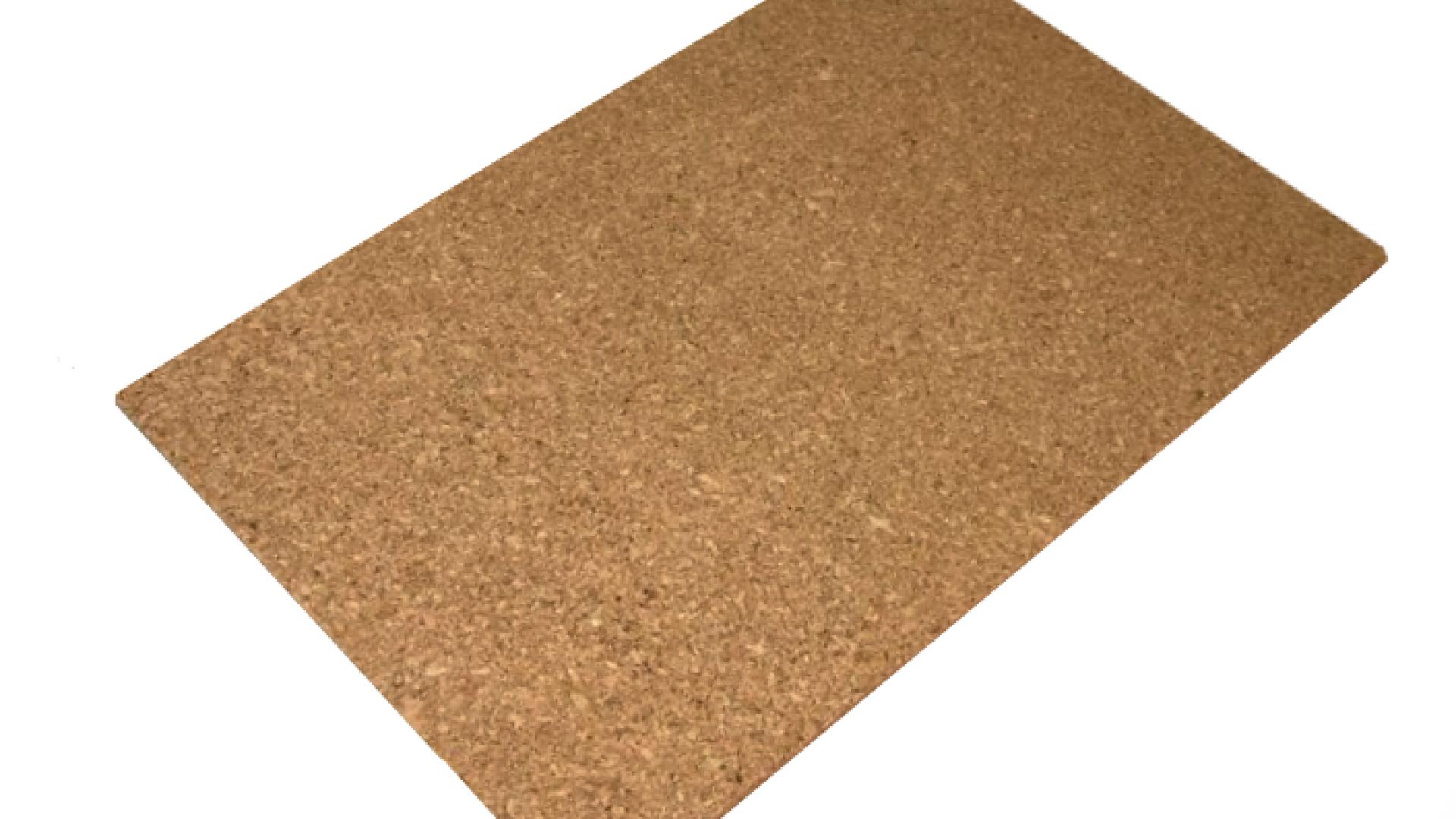
Wat is Cork?
Cork, a natural material obtained from the bark of the cork oak (Quercus suber), is renowned for its remarkable insulating and sustainable properties.
Thanks to its unique cellular structure, composed of gas-filled suberin cells, cork is an excellent thermal and acoustic insulator.
This structure not only makes it lightweight but also gives it remarkable water resistance, elasticity, and wear resistance, making it ideal for many industrial applications.
Key characteristics and advantages
High thermal and acoustic insulation capacity

Due to its closed-cell structure that traps air inside. This makes it ideal for applications where optimal insulation is required, such as in construction and the automotive industry.
Elasticity and compression resistance

These properties allow it to return to its original shape even after being subjected to high pressure. This makes it perfect for the production of gaskets and components that need to withstand stress.
Impermeability to liquids and gases

This quality makes it ideal for applications where resistance to weather and chemicals is crucial. Furthermore, it is wear-resistant, odorless, tasteless, and, above all, completely natural, biodegradable, and recyclable. This makes it not only an excellent technical choice but also an ecologically sustainable option.
Uses of Cork in Industry
Cork finds applications in numerous sectors due to its versatility and unique properties.
In construction, it is used for thermal and acoustic insulation panels, both for walls and flooring.
It is also used in the automotive industry for components that require insulation from vibrations and noise.
