
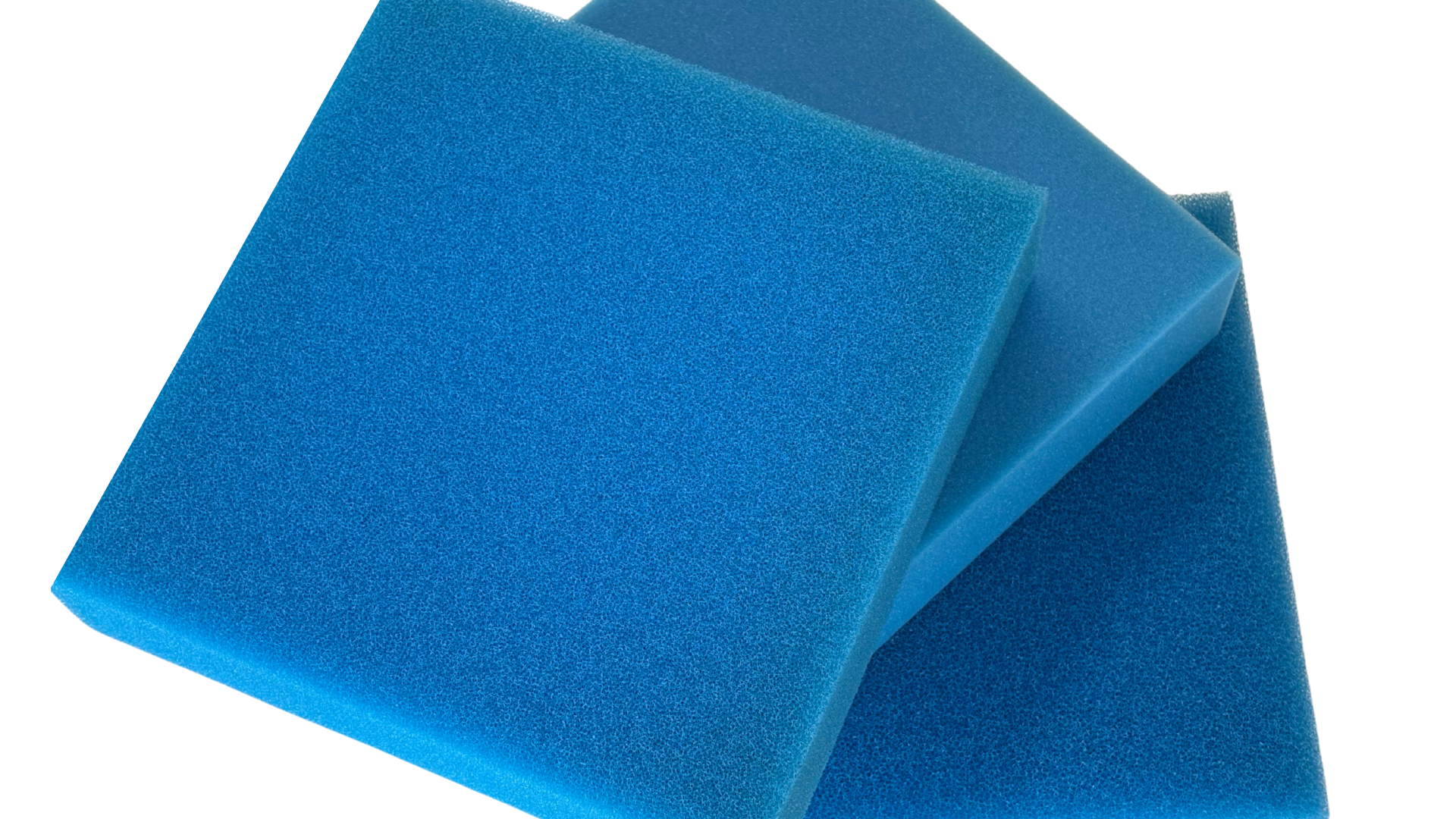
What it is and what it is used for
Custom air and water filtration for industrial applications
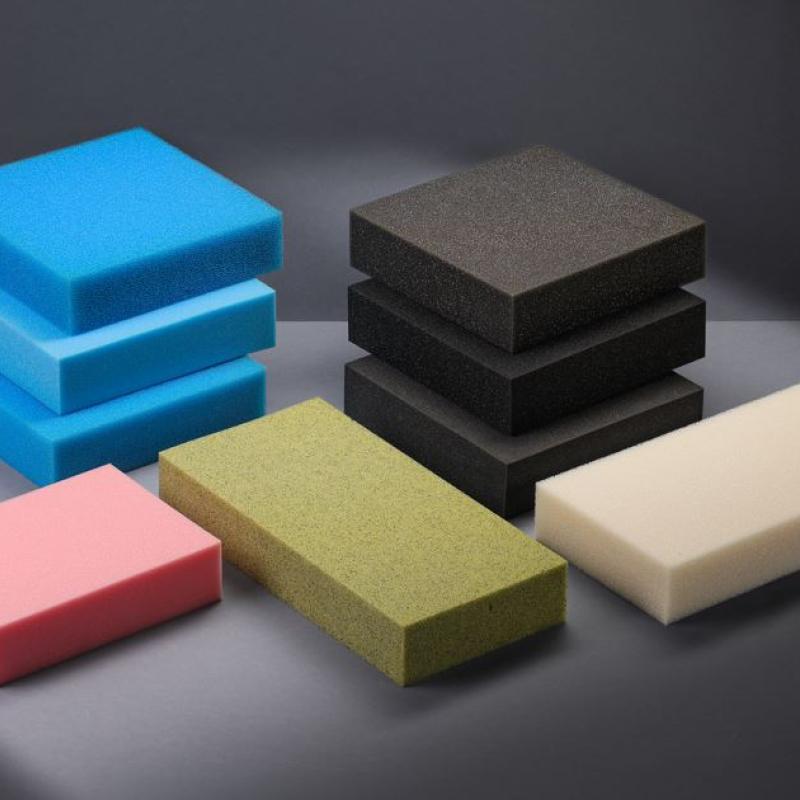
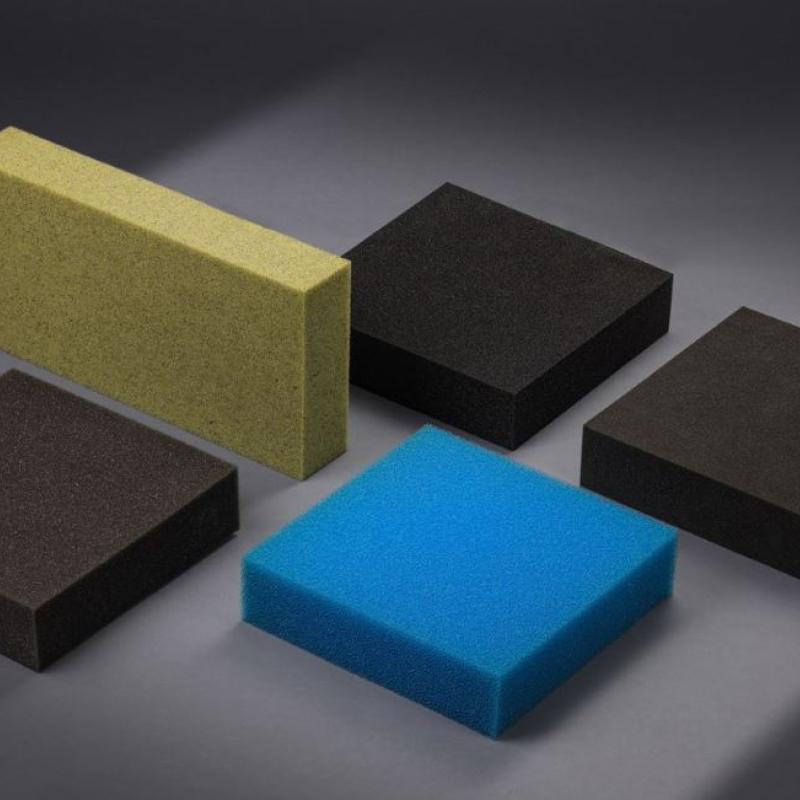
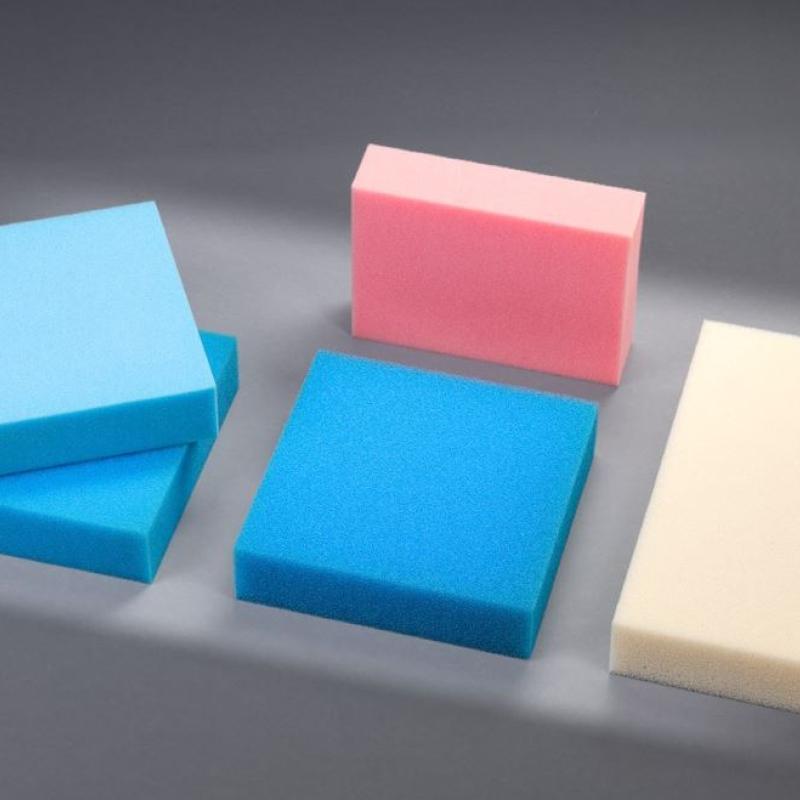
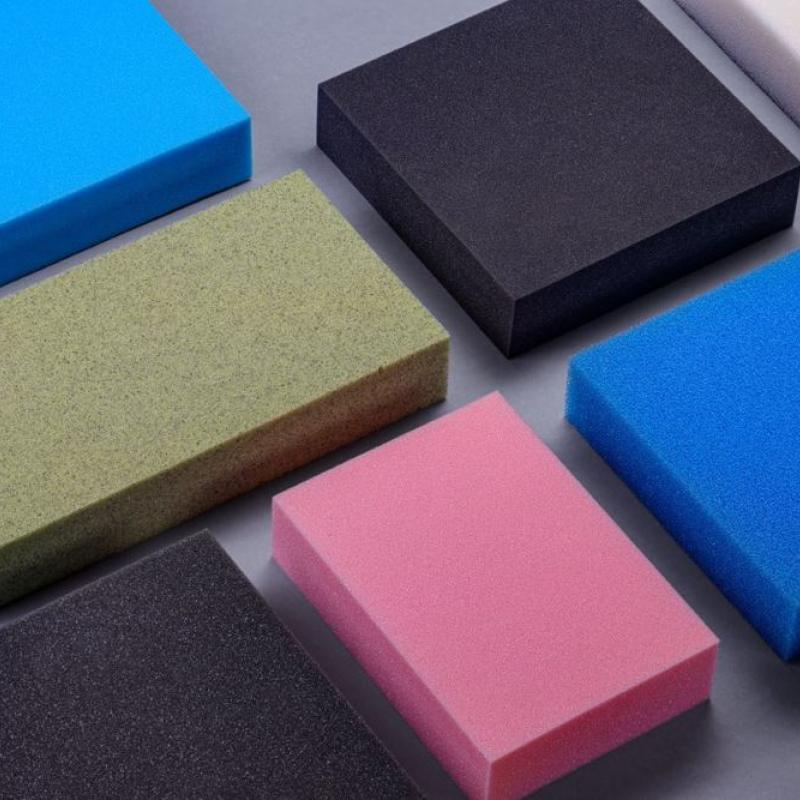
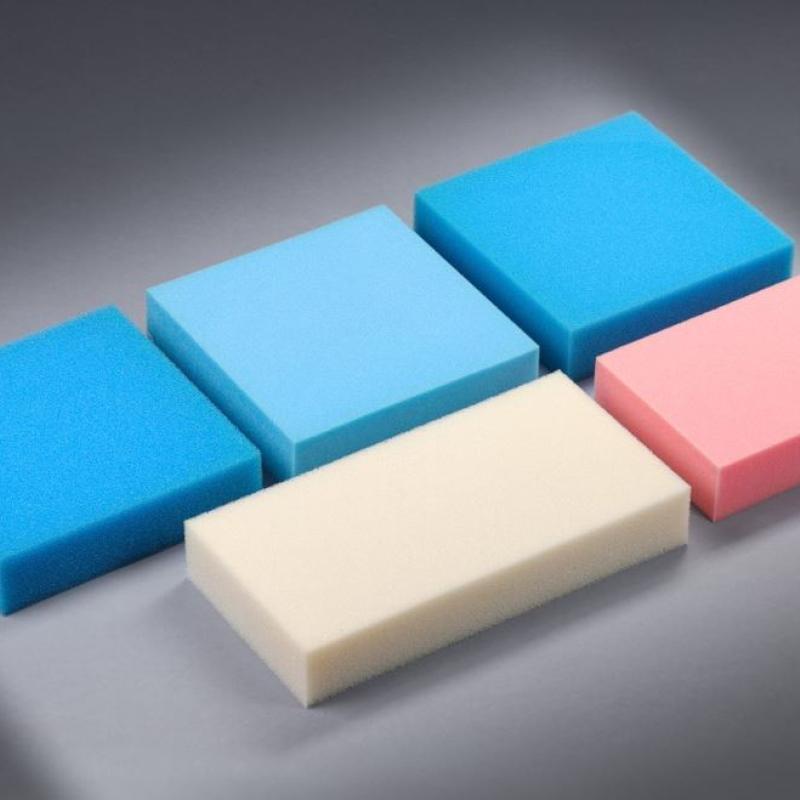
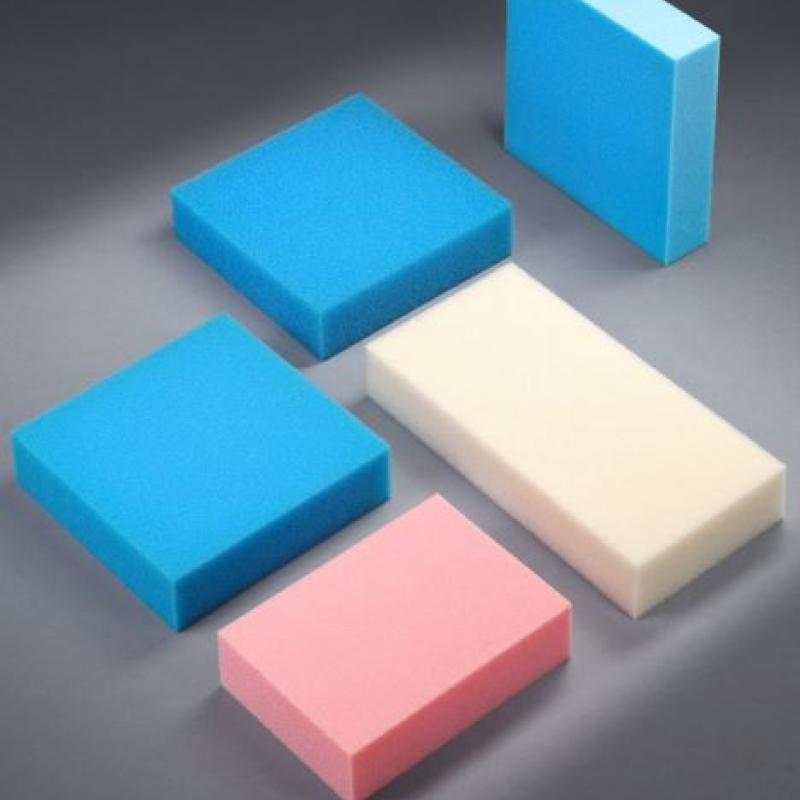
Reticulated polyurethane foam is an open-cell technical foam designed to support the controlled passage of air and liquids while retaining impurities and solid particles.
Thanks to its porous and interconnected structure, it is used in filtration, fluid management, acoustic absorption and vibration damping applications.
Athena processes it into custom technical components, ready to be integrated into industrial systems, plants, devices and machinery.
Main functions
Air filtration
For air filtration applications, reticulated polyurethane foam allows airflow to pass through while maintaining a good capacity to retain dust and particles.
It is used for air filters, pre-filters, HVAC systems, ventilation, industrial extraction and household appliances, where porous, lightweight and custom-processable materials are required.
In these cases, the polyester version may be used, as it is suitable for applications requiring mechanical stability, resistance and consistent performance over time.
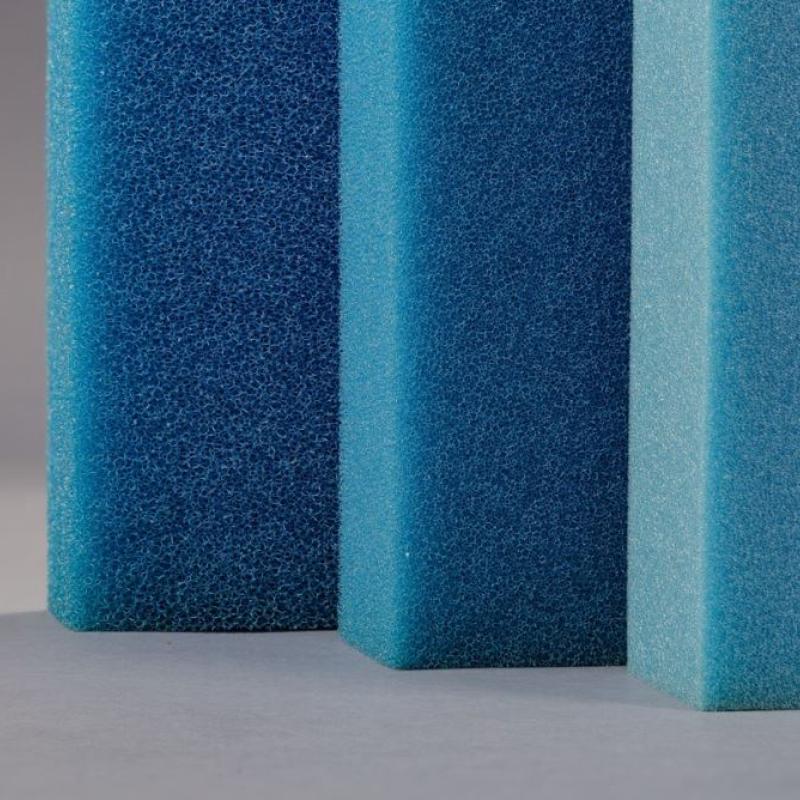
Filtration performance can be adjusted by selecting the most suitable porosity, expressed in PPI, according to the required filtration level and flow rate.
Main functions
Water and liquid filtration
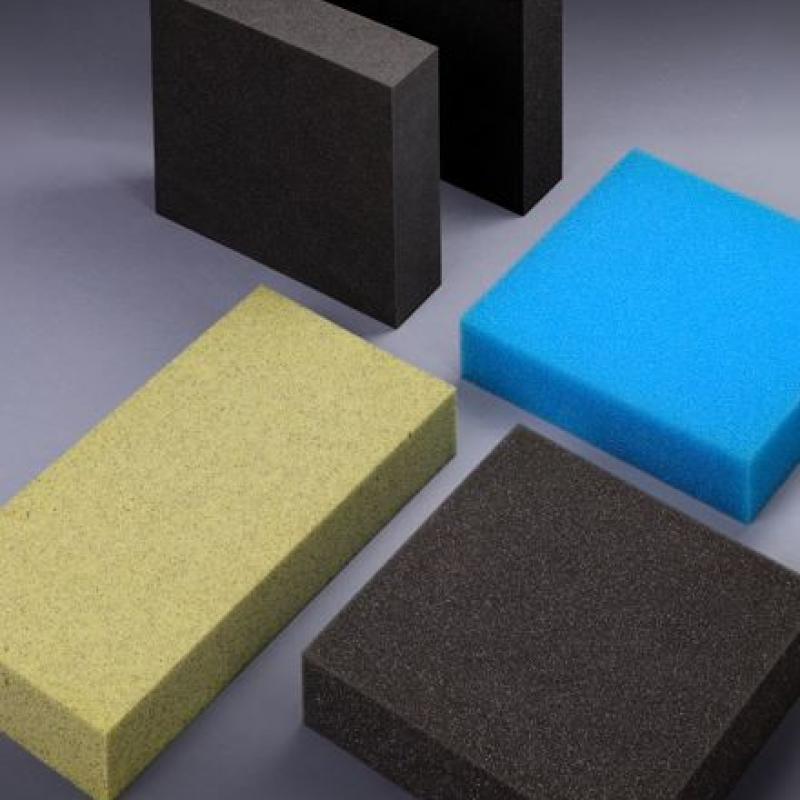
For applications in contact with water and liquids, reticulated polyurethane foam helps manage fluid flow while maintaining a good capacity to retain impurities and particles.
It is used in water filters, aquariums, liquid treatment systems and industrial applications requiring porous, lightweight materials that can be processed to size.
In these cases, the polyether version is generally preferred, as it is more suitable for use with water, humidity or prolonged contact with liquids thanks to its higher resistance to hydrolysis.
WRAS-certifiable materials are available for applications in contact with water.
Benefits at a glance
Airflow and ventilation management

Drainage and liquid management

Acoustic absorption

Support and protection of components

Custom processing for industry with Athena
Athena manufactures reticulated polyurethane foam components according to customer drawings and specifications, starting from the needs of the final application.
The material can be processed through die cutting, waterjet cutting and CNC knife cutting, depending on the geometry of the part, its thickness and the required tolerances.
Thanks to its experience in processing technical materials, Athena also supports customers during the co-design phase, helping define the most suitable solution in terms of material, porosity, shape and performance.
Main characteristics
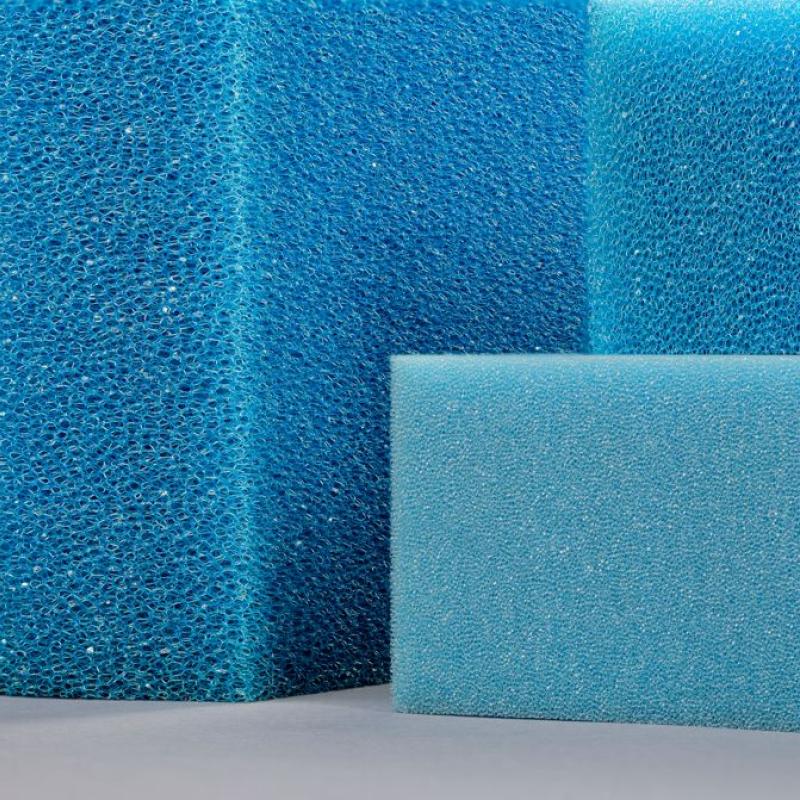
Open and porous cell structure
Promotes the passage of air and fluids, making it ideal for filtration applications.

High lightness
Its low density makes it possible to create functional components without increasing the overall weight of systems and devices.

Elasticity and resilience
Maintains shape and performance even after repeated compression cycles.

Acoustic and vibration absorption
Helps reduce noise and vibration in systems and machinery.

Stability and durability over time
The reticulated structure improves resistance to wear and deformation, even under prolonged use conditions.

Our expertise deployed
Our expertise
