
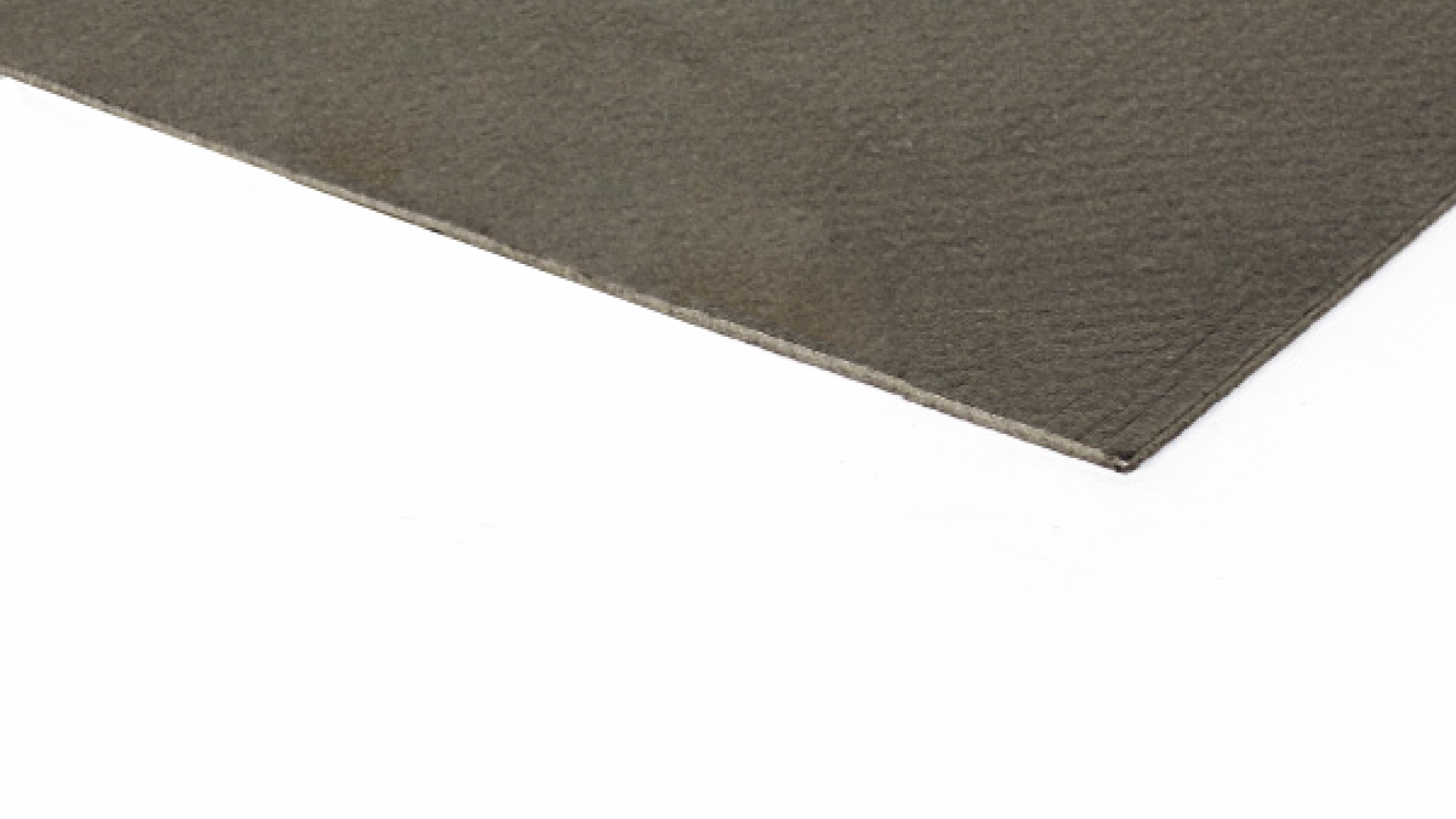
What is Reinforced MICA?
Reinforced MICA is an innovative material that combines the insulating properties of natural mica with resin or composite fabric reinforcement, enhancing its mechanical strength and durability.
This reinforcement allows reinforced mica to retain all its insulating capabilities even under extreme thermal and electrical stress, making it an ideal choice for various industries.
Key Properties of Reinforced MICA
Thermal Insulation
Reinforced MICA is valued for its ability to withstand high temperatures, remaining stable up to 1000°C. This makes it ideal for thermal insulation in industrial applications such as furnaces, boilers, and high-temperature heating systems.
Electrical Insulation
Its excellent dielectric properties enable effective insulation in high-voltage equipment such as transformers and electric motors, preventing short circuits and improving energy efficiency.
Mechanical Strength

Compared to traditional MICA, reinforced MICA offers higher mechanical strength due to the addition of composite materials, enhancing its robustness and durability. This makes it ideal for applications that require a combination of thermal insulation, compression resistance, and chemical resistance, especially in aggressive industrial environments such as metallurgy and energy production.
Versatility and Reliability
A Solution for Critical Applications
Reinforced MICA is a versatile and reliable solution for industrial applications that demand materials capable of handling extreme temperatures and high mechanical pressure.
Thanks to its combination of thermal resistance, electrical insulation, and mechanical robustness, it is used in sectors ranging from automotive to energy production, ensuring high performance even in the most challenging conditions.
Industries
Main Applications
Reinforced mica is particularly useful in industrial sectors where high performance under intense heat and pressure is required. For example, in the automotive sector, it is used to enhance the heat resistance of plastic components and reduce deformation in environments subject to temperature fluctuations.
