
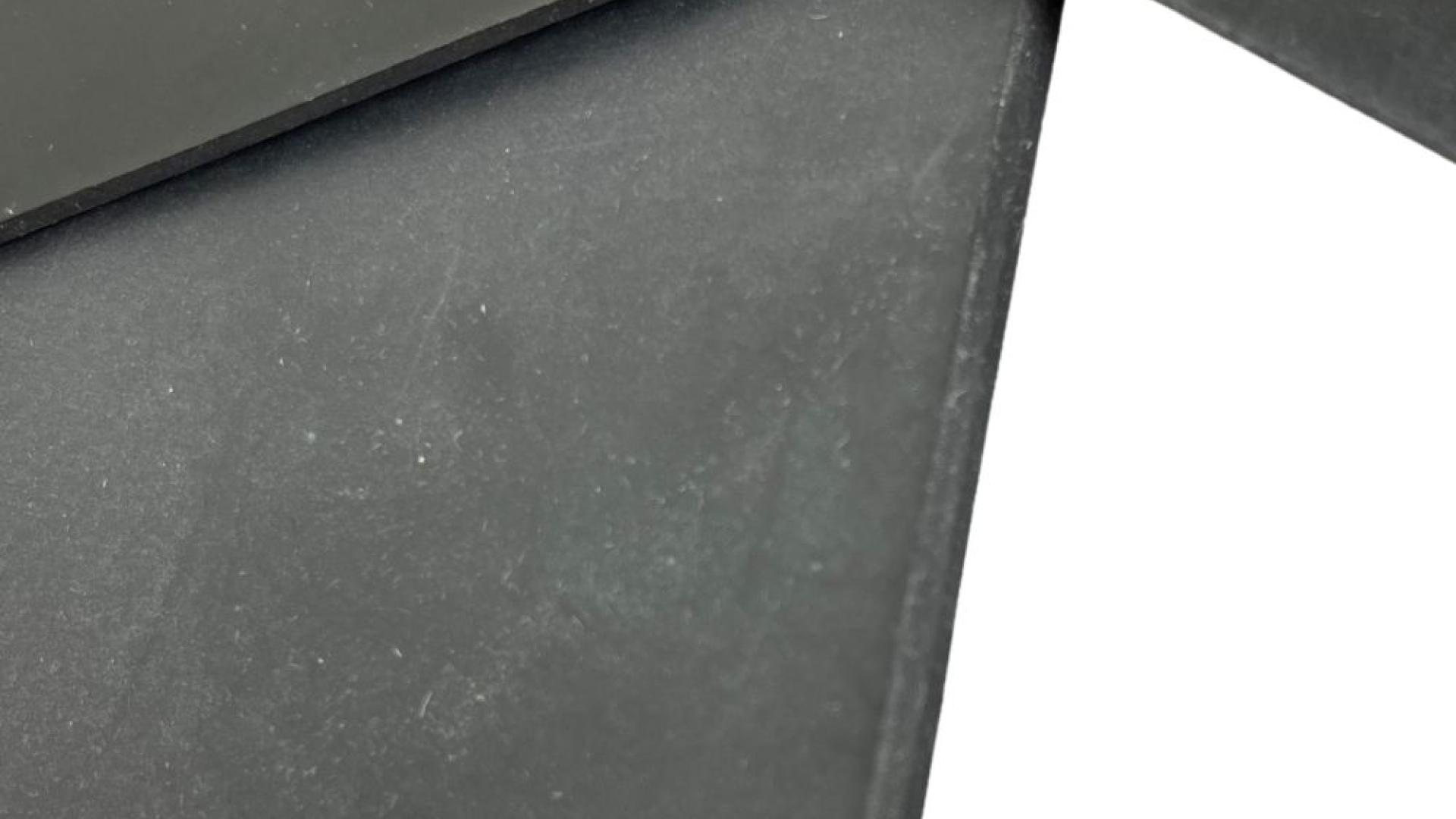
What are Rubbers?
Rubbers are a category of elastomers used in multiple sectors for their elasticity and durability.
Types of Rubbers
Nitrile Rubber (NBR)

Nitrile rubber is known for its excellent resistance to oils, fuels, and solvents. It offers good mechanical properties and remains flexible even at low temperatures.
This makes it ideal for automotive applications, such as seals and hoses for fuel and oil management systems. It is also used to produce chemical-resistant gloves and in other industrial applications requiring fluid resistance.
Natural Rubber (NR)

Natural rubber is an elastomer obtained from the latex of the rubber tree (Hevea brasiliensis). It is valued for its excellent elasticity, abrasion resistance, and high shock-absorbing capacity.
These properties make natural rubber ideal for the production of tires, conveyor belts, footwear, and gloves. However, it has poor resistance to weathering, ozone, and oils, limiting its use in applications exposed to such elements.
Styrene-Butadiene Rubber (SBR)

SBR rubber is a copolymer of styrene and butadiene and is one of the most widely used synthetic rubbers, especially in tire production.
It is known for its good wear resistance, aging stability, and flexibility, but it has lower resistance to oils and heat compared to natural rubber. Besides tires, it is used in seals, adhesives, and coatings.
Chloroprene Rubber (CR)

Neoprene or chloroprene rubber is an elastomer with excellent resistance to heat, oils, chemicals, and weather conditions.
It is widely used in the production of seals, hoses, belts, and underwater clothing due to its elasticity and ability to maintain physical properties over a wide temperature range. Neoprene is commonly used in the automotive, construction, and marine sectors.
Hydrogenated Nitrile Rubber (HNBR)

HNBR is a modified version of nitrile rubber that is hydrogenated to improve resistance to heat, ozone, and degradation from chemicals.
It is used in applications exposed to extreme conditions, such as piping for chemical plants, seals for high-performance engines, and cooling systems.
Acrylic Rubber (ACM)

ACM rubber is characterized by excellent resistance to oils and heat, making it ideal for automotive applications such as automatic transmissions and steering systems.
However, it has lower resistance to cold and water compared to other rubbers.
Ethylene Acrylate Rubber (AEM)

AEM offers a combination of oil, weather, and temperature resistance, along with good mechanical properties.
It is commonly used in automotive transmission systems, sealing systems, and applications requiring stability at high temperatures.
Silicone Rubber (VMQ)

Silicone rubber is known for its excellent resistance to heat, ultraviolet light, and ozone.
It maintains flexibility over a wide temperature range and is used in applications requiring high thermal resistance, such as seals for electrical equipment, medical devices, and automotive components.
Fluorinated Rubber (FKM)

Fluorinated rubber (FKM, also known by the brand name Viton) is highly resistant to a wide range of chemicals, fuels, and oils, and offers excellent heat resistance.
It is used in critical applications in the automotive, aerospace, and chemical sectors, where resistance to extreme temperatures and aggressive fluids is required.
Stay in Touch
Contact Us
Our team of technical experts is at your complete disposal to provide specialized advice on selecting the most suitable materials for your needs and to create custom technical products tailored to your business.
